.svg)


.png)

Putting an apartment on Airbnb in Mexico City can create a new way to operate the property, but the real work starts before the listing goes live. A short-term rental needs the product, operations, hospitality and commercial criteria to work at the same time.
The right question is not simply “can my apartment be listed on Airbnb?” It is whether the property, your availability and the operating model you want to sustain are aligned with short- or medium-term stays.
01
Evaluate the property before thinking about the listing
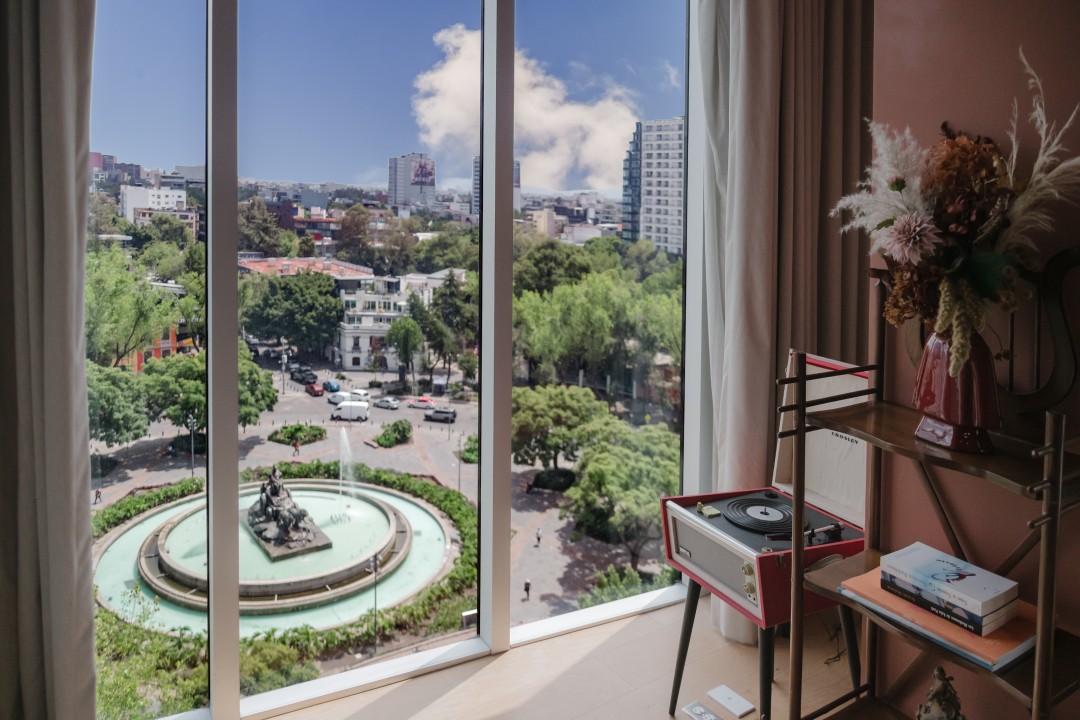
Location, layout and physical condition influence which type of guest can make the best use of the property. An apartment near Reforma may answer a different executive need than a property in Roma Norte aimed at travelers who want to walk and experience the neighborhood.
You do not need to adapt the space to every possible profile. In fact, trying to appeal to everyone often produces a generic property. It is better to define who it works for and prepare the experience around that use.
- Location. What real reasons do guests have for staying in that area?
- Layout. How many people can live comfortably without forcing the space?
- Condition. Is there pending maintenance that could become a recurring issue?
- Connectivity. Do the internet and basic services support the expected use?
- Property rules. Review the conditions that apply to the building and your unit before operating.
02
Design for repeated use, not only for photography
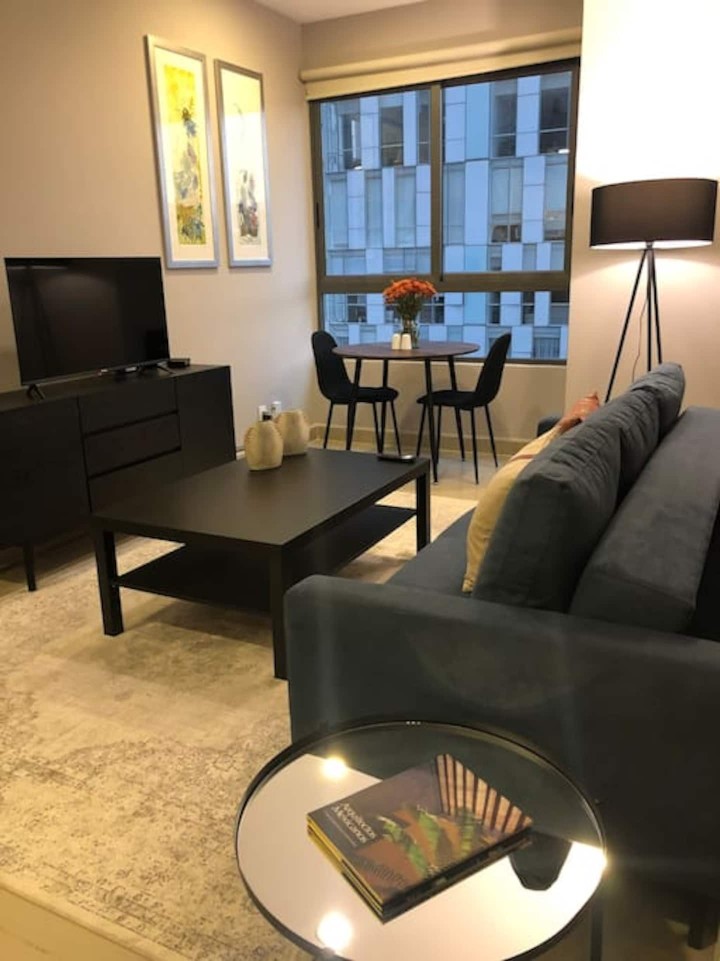
A short-term rental receives arrivals, departures, luggage, frequent cleaning and guests with different habits. Furniture needs to look good, but it also needs to withstand operations. Bedding, lighting, kitchen equipment and storage should be easy to maintain and replace.
It is also worth avoiding overly fragile decisions. If a decorative object requires disproportionate care or a special piece takes weeks to replace, it can become an operational problem.
Optimization does not mean filling the apartment with amenities. It means that every element that matters to the guest works well and remains sustainable for the owner.
03
Calculate the operation you are taking on
Every reservation involves communication, preparation, access, cleaning, inspection of the property and the ability to react when something does not go as planned. If you self-manage, that workload is yours. If you delegate, you need to understand exactly what the operator covers.
Before starting, define who will handle arrivals, who will coordinate cleaning, how maintenance will be managed, who will review inventory and what information you will receive about operations. The answer should exist before the first booking.
| Function | Question you need to resolve |
|---|---|
| Reservations | Who answers inquiries and coordinates changes? |
| Cleaning | Who controls quality between stays? |
| Maintenance | Who detects and solves problems? |
| Access | How does the guest enter clearly and safely? |
| Owner | What reports will you receive and how often? |
04
Decide whether you want to operate or supervise
Self-management can make sense if you have time, live nearby and want to be involved. Delegating may make more sense if the property is an investment, you live elsewhere or you prefer to make decisions without executing every daily task.
There is no single correct answer. The point is to avoid the in-between model where you delegate partially but still end up resolving issues, chasing suppliers and reviewing every reservation. If you are hiring management, compare scope and working method before comparing an isolated commission.
For that next step, read how to choose an Airbnb management operator in Mexico City.
Define property rules before receiving the first guest
Rules should not be written after a problem occurs. Establish maximum capacity, visitor policy, use of common areas, noise, pets when applicable and any relevant building restrictions from the beginning. Communicate them before booking, not hidden in a later message.
Clear rules protect both guest and owner. They prevent incompatible expectations and help the operator make decisions when a special request appears. If a rule cannot be explained simply, it may need to be reconsidered.
Build a small startup budget
In addition to furniture, account for photography, extra linens, locks or access systems, kitchenware, initial inventory and maintenance corrections. Also reserve a margin for things that appear during the first stays: there are always adjustments that only become visible once the space begins to be used.
You do not need to buy everything on day one. Prioritize what is essential to operate well and create a secondary-improvement list. That discipline helps prevent overspending on decoration before you know what guests actually need.
Frequently asked questions
Do I need everything to be perfect before listing?
No, but you should resolve the essentials for a safe and consistent stay: pending maintenance, cleaning, access, bed, bathroom, kitchen, internet and clear rules. Secondary improvements can be made later based on actual use.
Should I buy many amenities from the beginning?
Not necessarily. Start with what your target guest will really use and with elements that are easy to maintain. Adding amenities without a strategy increases inventory, replacement needs and failure points before you know whether they add value.
Can I self-manage at first and delegate later?
Yes. It can help you understand the operational work. But document processes from day one so that a future transition does not depend on your memory, personal accounts or suppliers known only to you.


.svg)