.svg)


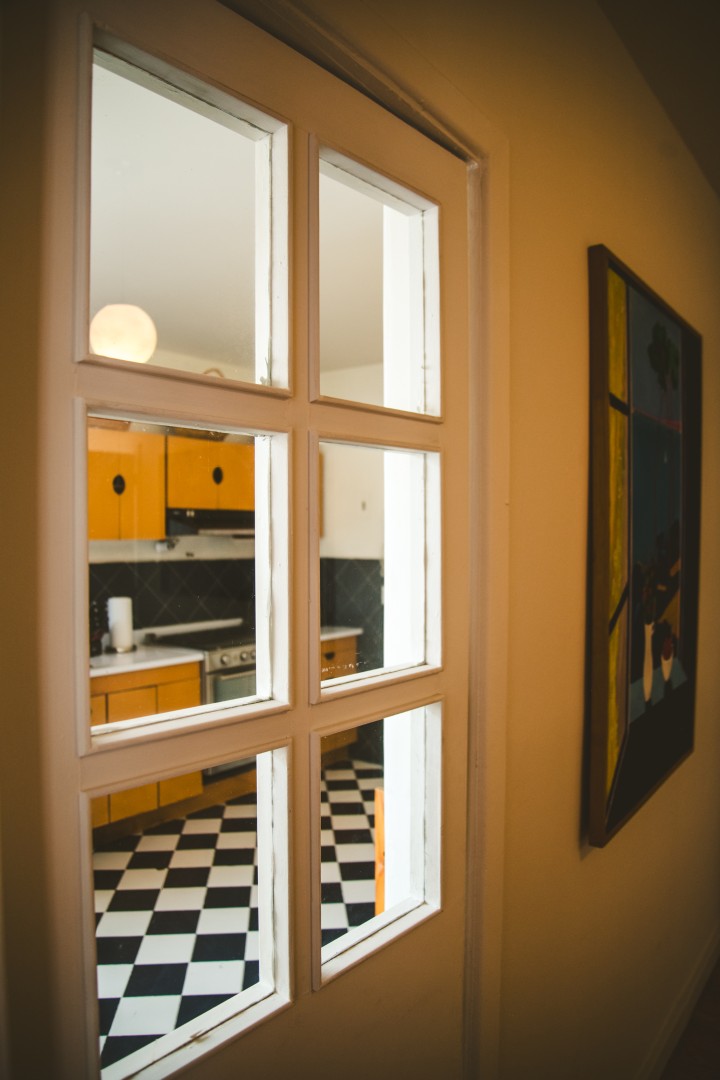

Turning a conventional apartment into a property prepared for short-term rental does not require turning it into a photo set. It requires designing it for repeated use: clear for the guest, durable for operations and consistent with the type of stay you want to attract.
01
First define who the property works for
The same layout can be excellent for a couple on a leisure trip and impractical for two colleagues who need to work. Before buying furniture or decorating, define the type of stay the property can solve naturally.
Location, number of bedrooms, bathrooms, light, noise and layout create useful limits. The design should amplify those strengths, not try to turn the apartment into something it is not.
- Most likely guest profile.
- Length of stay you want to support.
- Real number of people who can stay comfortably.
- Work or kitchen needs.
- Building restrictions and maintenance considerations.
02
Functionality has to survive many stays
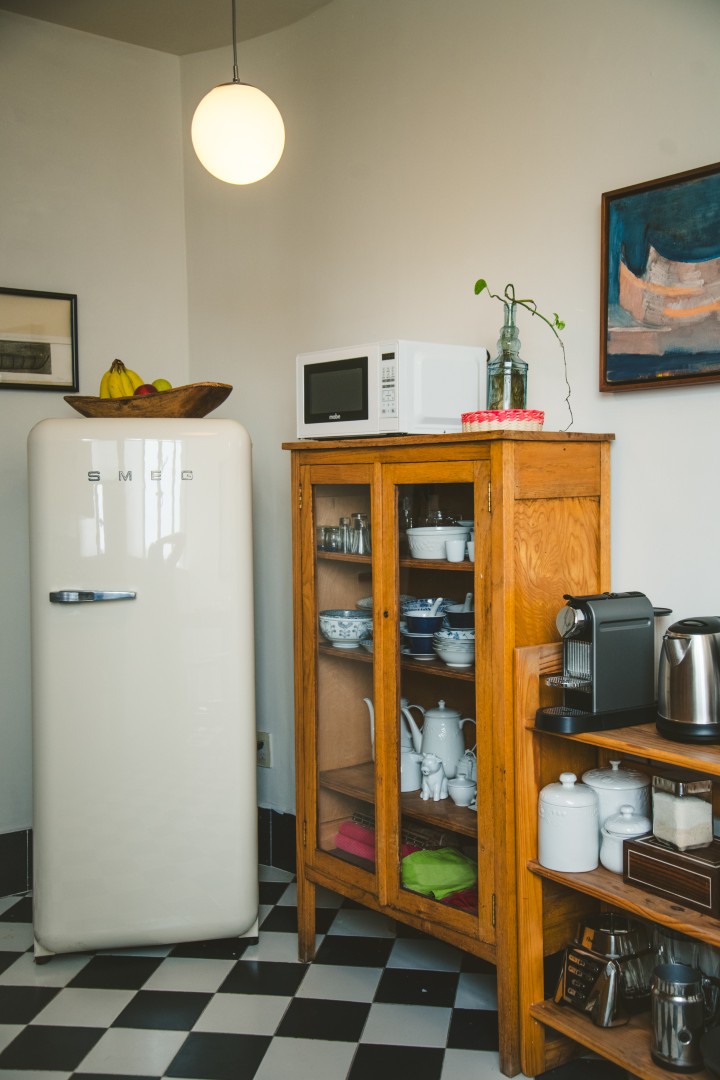
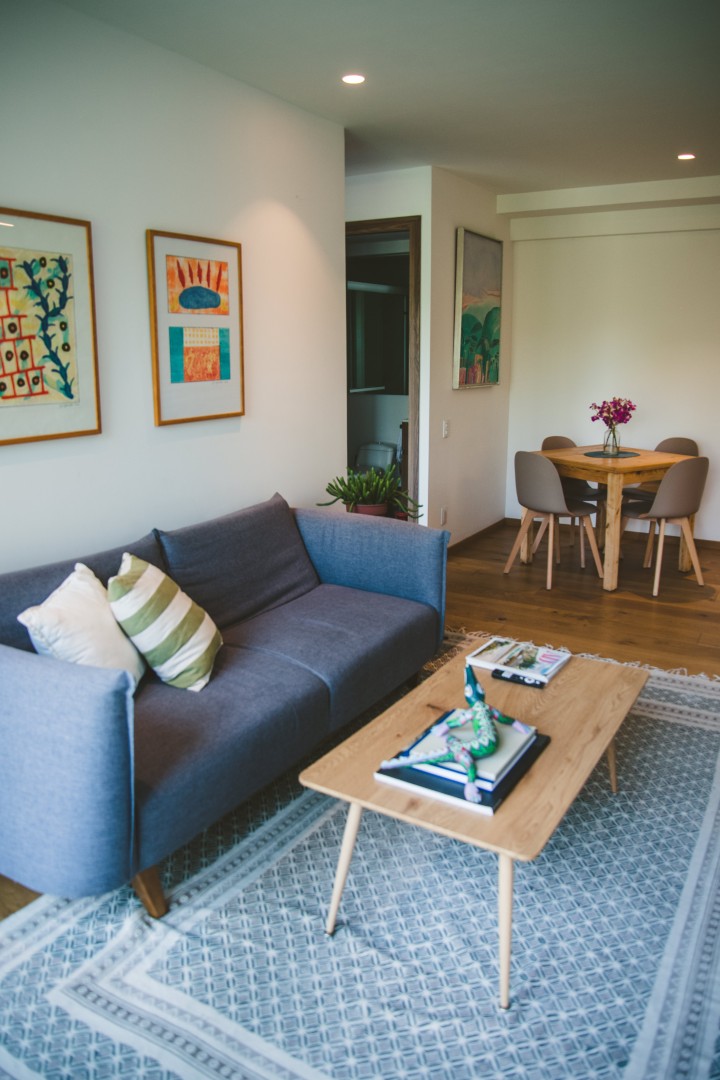
In hospitality, every object is used more frequently and by different people. A delicate sofa, unstable table or hard-to-replace textiles may look good on photo day and make operations difficult for months afterward.
Prioritize reasonably durable materials, replaceable pieces and a layout that makes cleaning and inspection easier. The property should preserve its appearance without depending on constant interventions.
| Decision | Useful question |
|---|---|
| Furniture | Can it withstand repeated use and be replaced easily? |
| Lighting | Does it work for rest, reading and work? |
| Kitchen | Does it have what this type of stay requires? |
| Storage | Can guests store luggage and clothing? |
| Decoration | Does it add identity without increasing fragility? |
03
Design and photography should tell the same truth
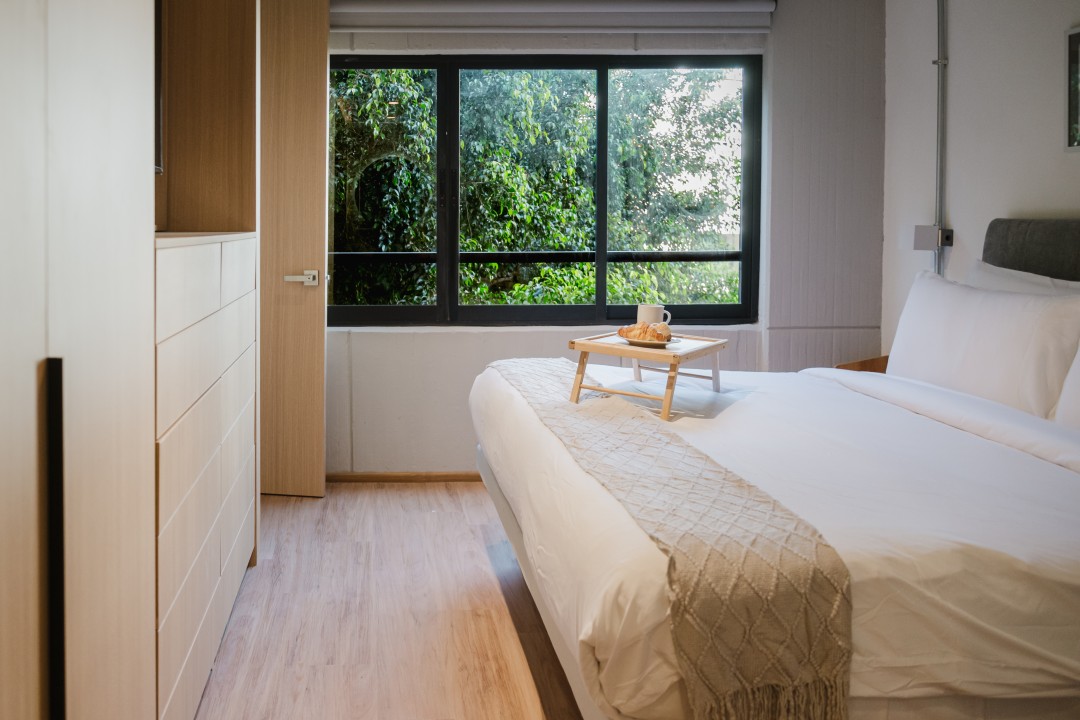
Commercial presentation matters: a clear, well-photographed space helps guests understand the layout and atmosphere before booking. But photography should not hide scale, views or limitations.
The best optimization reduces the gap between expectation and reality. If a property is presented as spacious, quiet or suitable for work, that promise has to hold up when the guest arrives.
Optimization is not “raising the rate” by decree. It is improving the product and then letting the commercial strategy respond to real value and demand.
04
Before investing, separate maintenance from improvement
Replacing a worn-out mattress or repairing a faucet is not a design improvement: it is necessary maintenance. A better reading lamp, a usable work table or more storage can be product decisions.
Separating the two categories helps the owner prioritize budget. First solve what prevents consistent operations; then invest in elements that improve the experience or differentiation.
- Fix failures and wear first.
- Solve sleep, bathroom, kitchen and connectivity.
- Improve layout before adding decoration.
- Prioritize changes that are visible and useful to guests.
- Measure operational results before continuing to invest.
What improvements are worth testing before remodeling
Not every optimization requires construction. Changing lighting, reorganizing furniture, improving textiles, adding storage or correcting commercial presentation can affect use and perception without transforming the property.
Before making an expensive intervention, identify the most repeated sources of friction. If guests ask where they can work, a properly designed table may add more value than replacing finishes. If the kitchen is functional but confusing, better organization and inventory may be a smarter investment than replacing it.
How to know whether an improvement worked
After changing something, watch signals related to the decision: guest comments, incidents, ease of cleaning, maintenance and commercial behavior. Do not automatically attribute any increase in bookings to a lamp or a new sofa; the market changes for many reasons.
Useful optimization is iterative. Keep what improves experience or operations and avoid turning the apartment into a permanent decorating project. The asset should produce hospitality, not consume budget for novelty.

Frequently asked questions
Should I remodel before I start renting?
Not necessarily. First identify pending maintenance, functional problems and clear sources of friction. A renovation only makes sense if it solves a real problem for the asset or the guest; it should not be the automatic starting point.
How should I prioritize the improvement budget?
Order it by impact and necessity: safety and maintenance, sleep and bathroom, connectivity and work, kitchen and storage, then visual identity. That prevents investing in decoration while basic operational failures remain unresolved.
When should I photograph the property again?
When the layout, furniture or relevant elements have changed enough that the old images no longer represent the stay accurately. Photography should help people decide, not preserve a past version of the property.

.svg)