.svg)


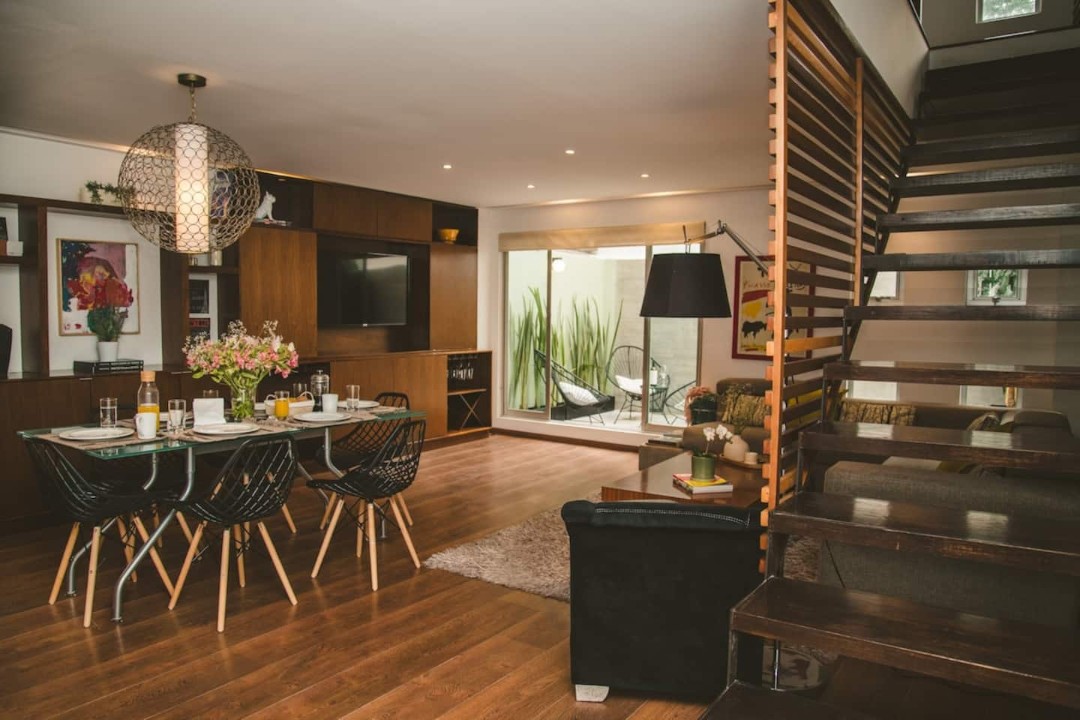

Corporate housing is a form of furnished accommodation designed for people who need to live temporarily in a city for work, relocation or projects lasting several weeks. In Mexico City, the difference from a hotel or a traditional lease is not only the length of stay: the space needs to work as both a home and a work base.
For a two-night trip, a hotel room may solve almost everything. When the stay lasts three weeks, two months or a full quarter, priorities change: kitchen, privacy, workspace, cleaning, invoicing, location and support stop being amenities and become part of the daily operation.
Temporary project
You are coming to Mexico City for several weeks and have a defined departure date.
Relocation
You need a base while choosing a permanent home or completing a move.
Business traveler
Your stay mixes meetings, remote work and a schedule that needs to work with minimal friction.
Team or couple
You need more than one environment and do not want to spend the entire stay in a single room.
01
What a good corporate housing stay should include
The standard should not be measured by an endless amenities list, but by whether the apartment can support normal life for several weeks. That starts with a functional kitchen, Wi-Fi, enough storage, a real place to work and a layout that lets you rest without feeling that everything happens in the same space.
Who operates the property also matters. During a long stay, it is reasonable to need maintenance, have an access question or request extra cleaning. Knowing who responds and how a solution is coordinated can matter more than an amenity you use only once.
- Location. Close to the places you will visit often, not only tourist attractions.
- Workspace. A table, chair, light and connectivity that support your routine.
- Kitchen and equipment. Enough to avoid depending on restaurants every day.
- Support. A clear channel for resolving issues during the stay.
- Invoicing. If your company requires it, confirm it before booking.
- Flexibility. Understand what happens if the project extends or your dates change.
02
Corporate housing vs hotel: length changes the answer
A hotel wins on immediate simplicity: a front desk, standardized processes and services concentrated in one place. For short trips it can be the most efficient solution.
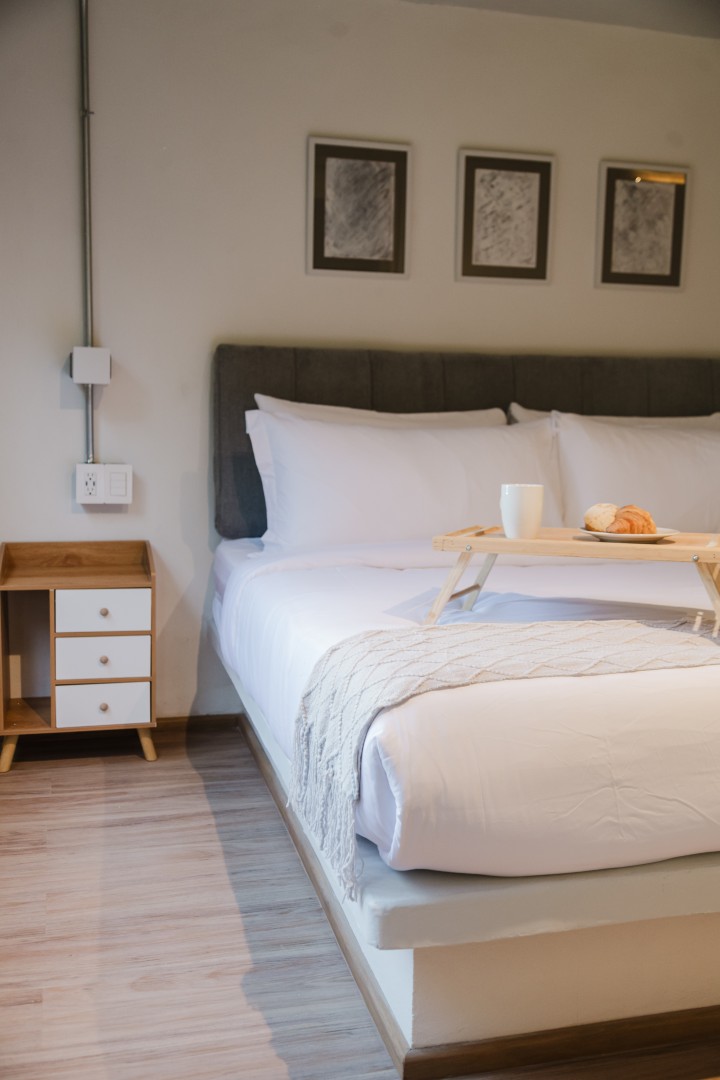
Over several weeks, an apartment starts to offer different advantages: a kitchen, living room, more privacy and the ability to separate work from rest. The right comparison is not only nightly rate; it is how much it costs and how easy it is to live there throughout the entire period.
| If you need… | Hotel | Corporate housing |
|---|---|---|
| A stay of a few days | Very practical | May be more space than you need |
| Several weeks | Can feel limiting | Usually fits a routine better |
| Kitchen and everyday living | Variable | Central to the format |
| Separation between work and rest | Depends on the room | More likely because of the layout |
| Centralized services | Main strength | Depends on the operator |
03
Where it makes the most sense in Mexico City
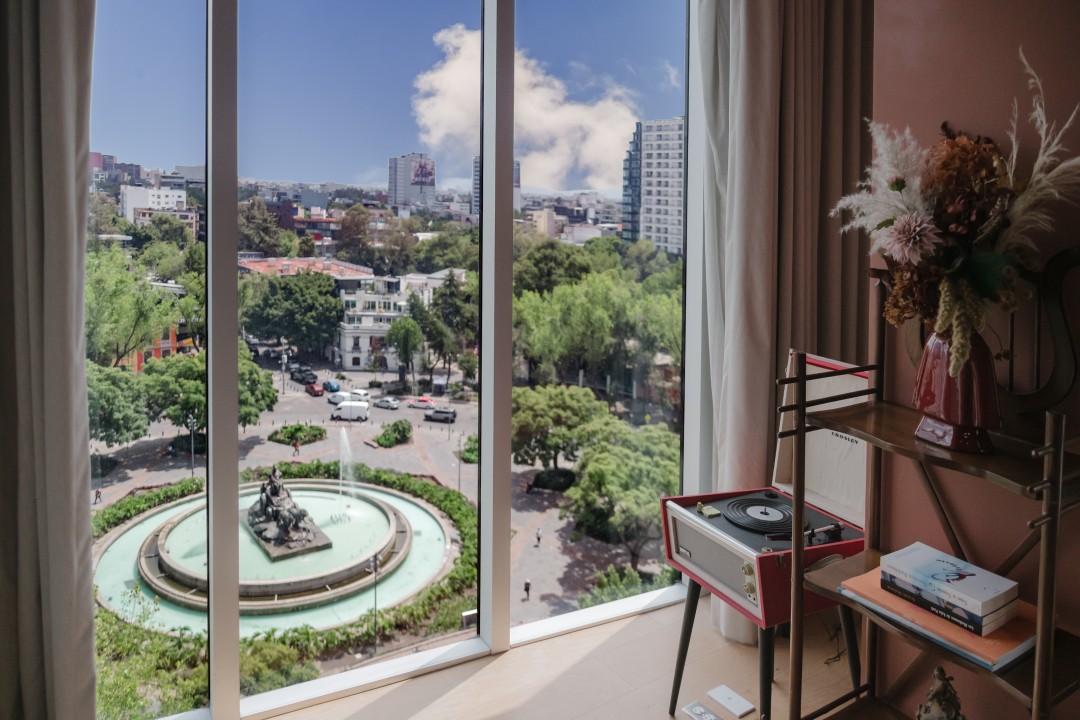
The right neighborhood depends on your schedule. Polanco can be a practical base if your meetings are concentrated farther west or around Reforma. Juárez works well when you want to stay close to Paseo de la Reforma while moving between central areas. Roma Norte and Condesa may fit better when work is flexible and you value cafés, walkability and neighborhood life around you.
The useful rule is simple: for an extended stay, prioritize the routine you will repeat Monday through Friday. A famous neighborhood that forces you to cross the city every day can be a worse decision than a less obvious area that is better connected to your schedule.
If you are still choosing a neighborhood, also read our guide for a first visit to Mexico City and explore the executive stays.
04
How to know if corporate housing is right for you
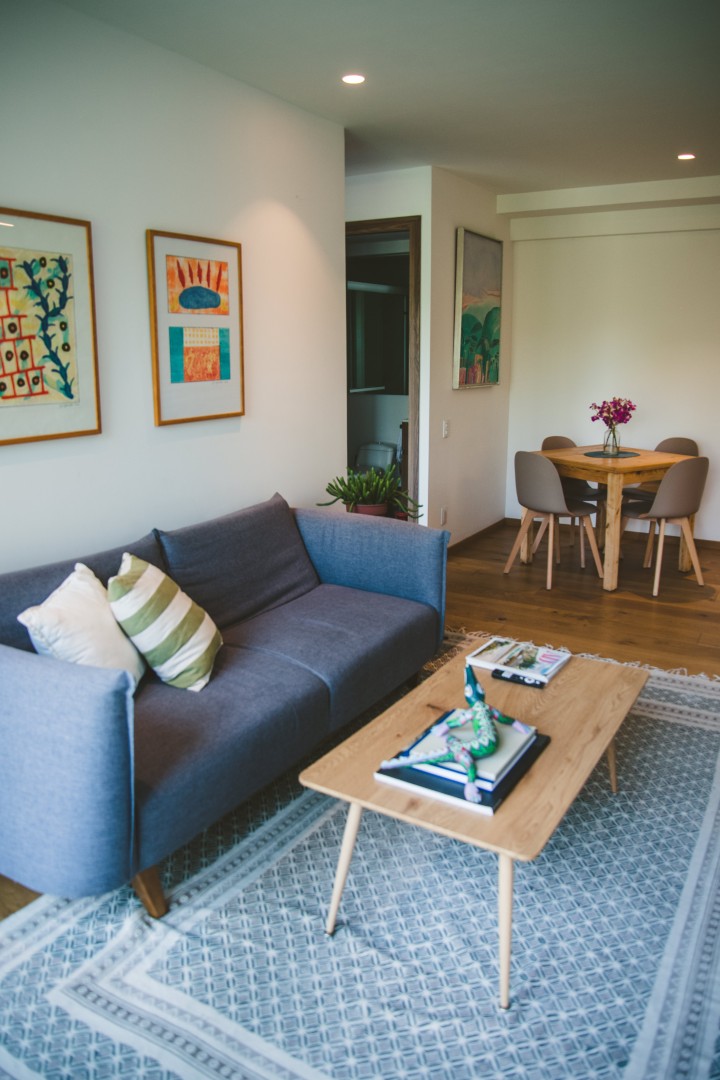
It makes sense when the length of the stay and your routine matter more than hotel services. If you will cook, work from the accommodation, store luggage for several weeks or simply want to feel that you have a real base in the city, a professionally operated apartment may solve the trip better.
It is not automatically the best option for everyone. If you are staying two nights, want room service and will spend almost all your time outside, a hotel may still be more efficient.
Corporate housing is not synonymous with luxury
A corporate stay can be sophisticated, but its main value is functionality. A usable desk, strong connectivity, a kitchen, privacy and support matter more than expensive décor if the traveler is coming to work for several weeks.
This also prevents comparing the wrong categories. A simple but well-operated apartment can solve a two-month project better than an impressive suite with no kitchen or place to work. The standard depends on the use.
What to check if you are booking for someone else
When a company or assistant books for an employee, the guest and the person paying may have different priorities. The company may need an invoice, clear policies and cost control; the guest needs location, comfort and support. It is worth solving both sides before confirming.
Also define who will receive arrival instructions and whom the guest should contact during the stay. Avoiding message chains between the company, traveler and operator makes any issue easier to solve.

Frequently asked questions
Does corporate housing have a fixed minimum stay?
There is no universal length that defines the category. In practice it is used for temporary stays longer than a typical short trip, but conditions depend on the operator and the property. What matters is that the accommodation is prepared for living and working during the period you need.
Is it the same as a traditional furnished rental?
Not exactly. A traditional rental is usually structured around a longer contract and a more permanent housing relationship. Corporate housing is a temporary furnished solution with operations and services adapted to someone arriving for a defined period.
Can someone use corporate housing if they are not traveling for work?
Yes. Relocations, transitions between homes or personal projects may also require temporary housing. “Corporate” describes one of the most common use cases, not a restriction exclusively for companies.

.svg)