.svg)


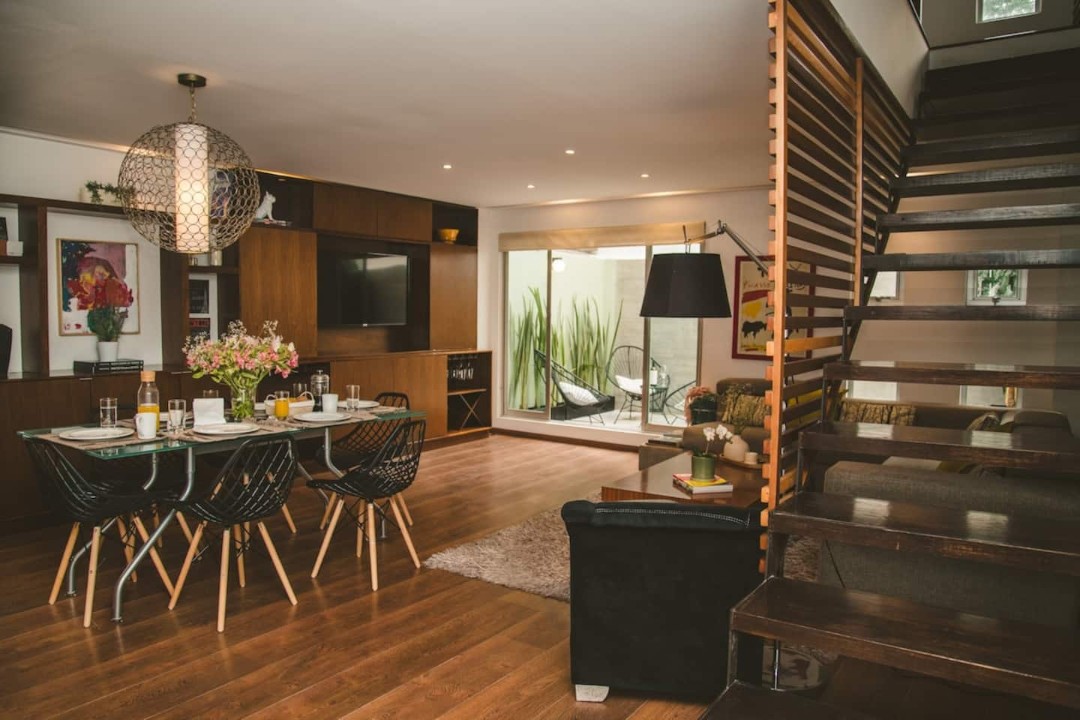

On a first trip to Mexico City, it is easy to start with the wrong question: “which apartment looks best?” In a city this large, the neighborhood usually changes your experience much more than a few extra square meters or an amenity you may never use.
The neighborhood determines how much you walk, how much time you spend commuting, what you have nearby for meals, how you return at night and how easy it is to make a spontaneous plan. That is why it usually makes sense to choose the neighborhood first and compare properties within that logic afterward.
Roma Norte
If you want cafés, restaurants, galleries and plenty of urban life around you.
Condesa
If you value parks, walkability and a calmer routine.
Polanco
If you are coming for work, museums, dining or a more structured schedule.
Juárez
If Reforma, connectivity and a central position matter more than a residential feel.
01
Start with how you want to use your days
Before opening twenty tabs with apartments, think about the routine. Will you have early meetings? Do you want to walk to restaurants? Is going for a run important? Is the trip four days or six weeks? Will you cook? Do you want nightlife nearby or would you rather return to a quieter street?
These questions organize the decision much better than a generic list of “best neighborhoods.” Two excellent areas can answer completely different needs.
If your trip is mainly for work, complement this guide with where to stay in Mexico City for business.
02
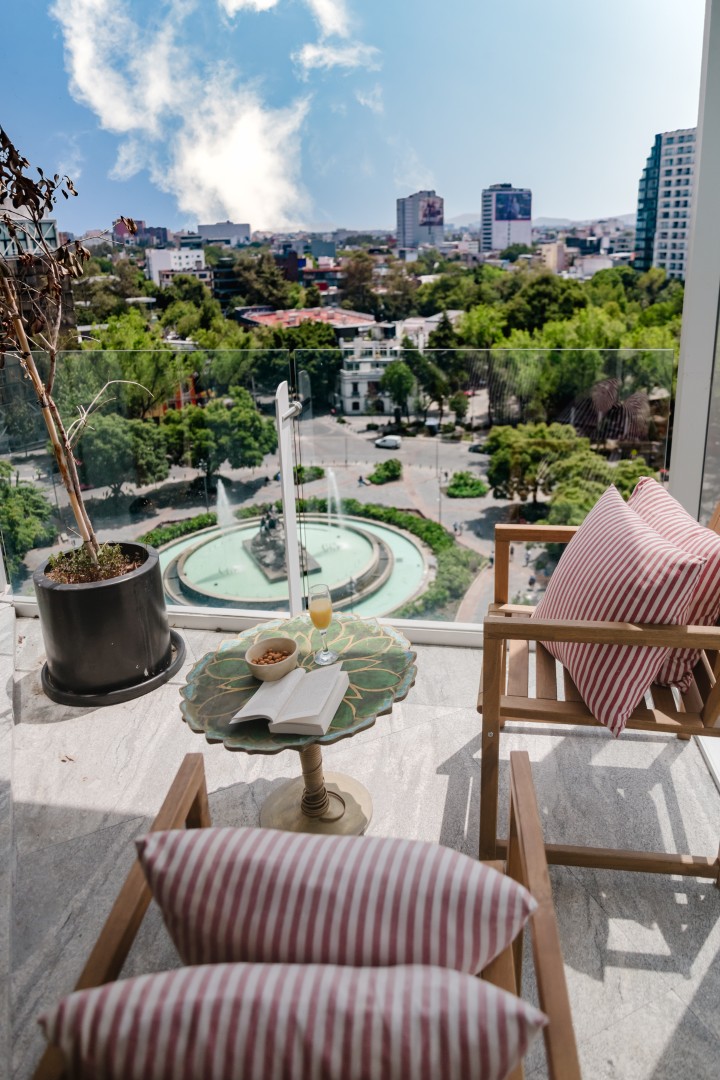
What changes between Roma Norte, Condesa, Polanco and Juárez
Roma Norte works when you want to experience much of the trip from the street. Cafés, restaurants, bakeries, bars, galleries and independent shops make it easy to go out without a rigid itinerary.
Condesa shares urban life with Roma, but its parks, Avenida Ámsterdam and tree-lined streets give it a more everyday rhythm. It may work better if you want to walk, run or build a routine over several days.
Polanco often solves trips with a structured schedule better: business, museums, shopping, services and planned meals. It can also work very well for a first visit if you want a more organized base.
Juárez stands out for being close to Reforma while staying connected to several central neighborhoods. It is especially useful when your plans are spread out and mobility matters more than a residential feel.
| If you prioritize… | Neighborhood to explore first |
|---|---|
| Dining and urban life | Roma Norte |
| Parks and walkability | Condesa |
| Work, museums and services | Polanco |
| Reforma and central connectivity | Juárez |
| A stay of several weeks | It depends on your routine: Condesa, Polanco, Roma or Juárez can all work if they reduce your recurring commutes |
03
Five questions before choosing a neighborhood
- What is the main purpose of the trip? Vacation, meetings, relocation and remote work create different priorities.
- Where will you spend most of your days? Reduce repeated commutes before optimizing anything else.
- Do you want to solve part of the day on foot? If yes, check what is actually around the property.
- Are you looking for activity or rest? A lively street can be ideal for a weekend and exhausting during a long work stay.
- How long are you staying? The longer the stay, the more groceries, kitchen, storage, Wi-Fi and a sustainable routine matter.
04
After choosing the neighborhood, then compare apartments
Once the neighborhood is decided, the photos stop competing with the entire city and you begin comparing properties within the same context. That is when layout, kitchen, Wi-Fi, workspace, check-in, cleaning, support and booking conditions matter.
Who operates the accommodation also matters. A stay can look flawless in photos and become difficult if arrival is confusing or no one responds when something goes wrong. In a large city, removing operational friction has real value.
If you are still choosing between several areas, the comparison of Polanco vs Roma Norte vs Condesa goes deeper; if your question is specifically Roma or Condesa, there is a dedicated guide for that decision.
A common mistake: choosing based on how close everything looks
On a map, many central neighborhoods look almost adjacent. In practice, a large city is experienced through repeated commutes. Being a few kilometers from a meeting does not guarantee an easy trip at the time you need it, and staying in a famous neighborhood does not compensate for crossing the city twice a day.
Before booking, place two or three places you will actually visit on the map: office, event, family, hospital, university or anything else that shapes your schedule. Then compare neighborhoods. That simple exercise prevents you from choosing based on an abstract idea of “central location.”
Your first visit does not need to solve all of Mexico City
Another common mistake is choosing an area because you think you will be able to “see everything” from there. Mexico City does not work like that. It is more useful to have a good base and accept that some plans will require transportation. A neighborhood you enjoy returning to every evening can improve the trip more than trying to be equally close to twenty attractions.
Choose a neighborhood that solves most of your days and use the others as destinations. If you return on another trip, you may experience the city from a different base. That is part of its scale.

Frequently asked questions
Which neighborhood works if I do not have an itinerary yet?
If you still do not know what you will do each day, prioritize a neighborhood where you can solve food, coffee and some activities on foot while staying connected to other areas. Roma Norte, Condesa and Juárez are often flexible bases; Polanco works better if you prefer a more structured experience. Refine the choice once your commitments become clear.
Is it a bad idea to change neighborhoods during the same trip?
Not necessarily. Over several weeks it can be a way to experience two areas, but on a short trip it usually adds check-outs, transfers and lost time. If you are staying only four or five nights, one base is usually more efficient.
What matters more: neighborhood or apartment?
Choose the neighborhood first to define routine and commutes; then choose the property to make sure the space works. A great neighborhood does not compensate for a poorly operated apartment, and a great property can become tiring if all your plans are far away. The final decision combines both layers.

.svg)