.svg)


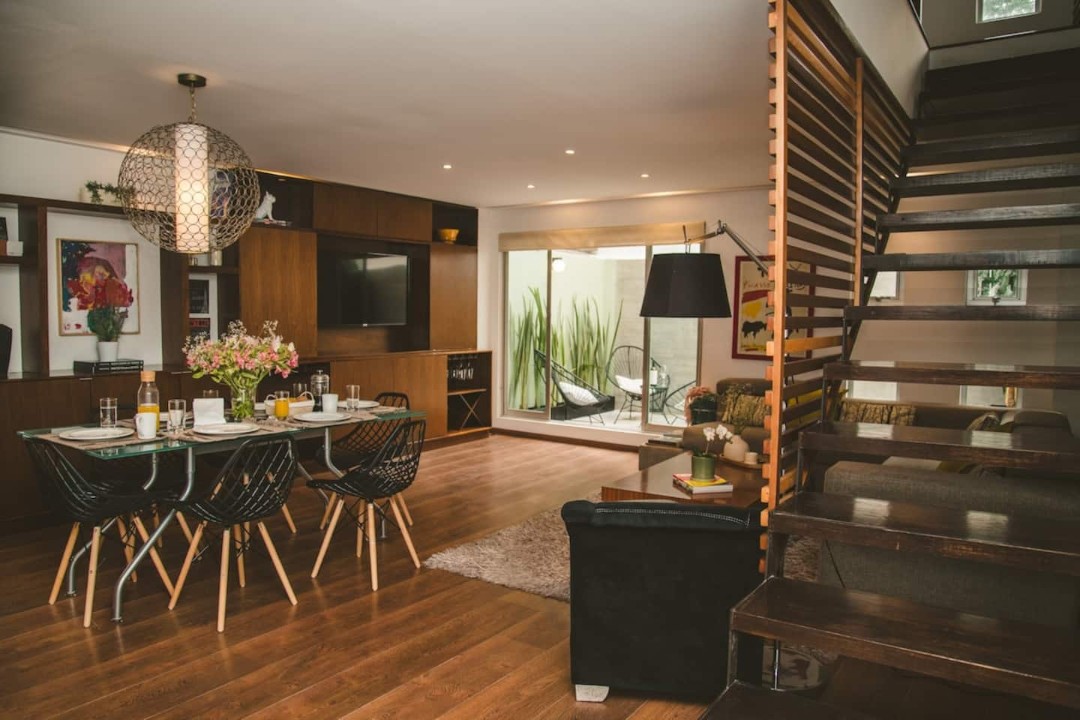

For a two- or three-night business trip, choosing between a hotel and an executive apartment is usually straightforward. For a stay of two weeks, a month or more, the comparison changes: you are no longer looking only for a place to sleep, but for a space where you can work, eat, rest and maintain a routine.
The turning point is not an exact number of nights. It is the moment when the accommodation starts becoming part of your workday.
Hotel
The efficiency of arriving and getting on with your day
Standardized processes, front-desk service and amenities concentrated in one building.
Often works better when you will spend little time inside the accommodation.
Executive apartment
A base for working and living
Kitchen, living room, privacy and a greater ability to separate the workday from rest.
Becomes more valuable as the stay gets longer and you need a sustainable routine.

01
The hotel wins on immediate simplicity
A hotel can be ideal if your stay is short, you spend most of the day out and value a front desk, housekeeping and centralized services. You arrive, drop your bag and continue with your schedule.
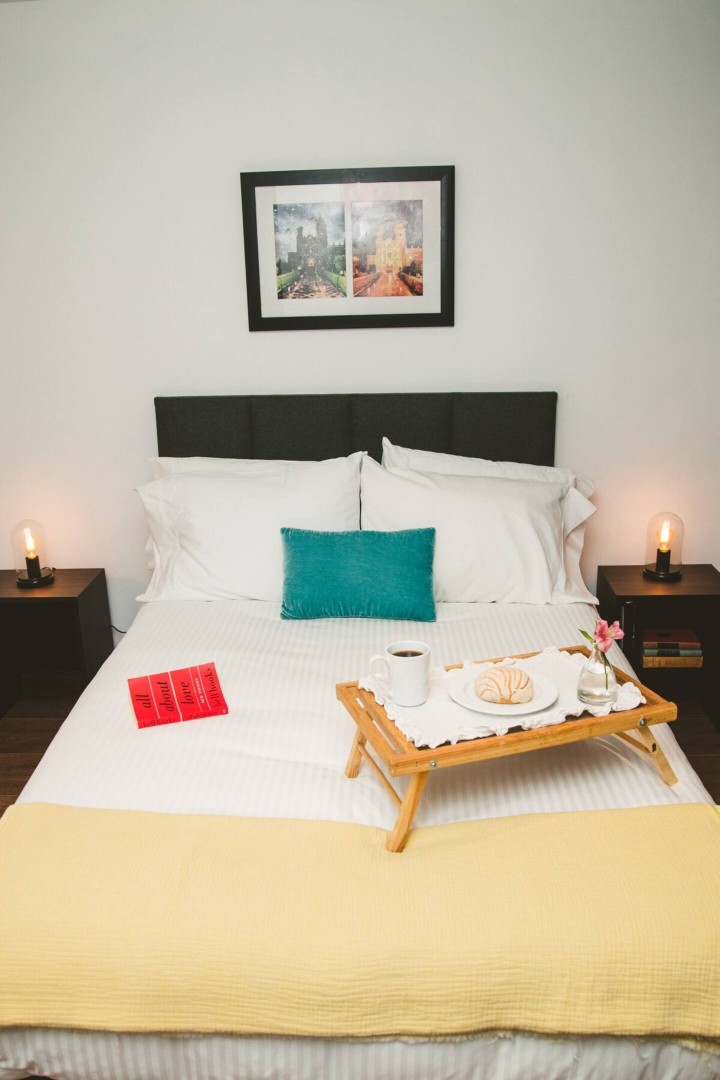
The limitation appears when bedroom, office, dining area and rest all start happening inside the same room for several weeks.
02
The executive apartment wins on space for a routine
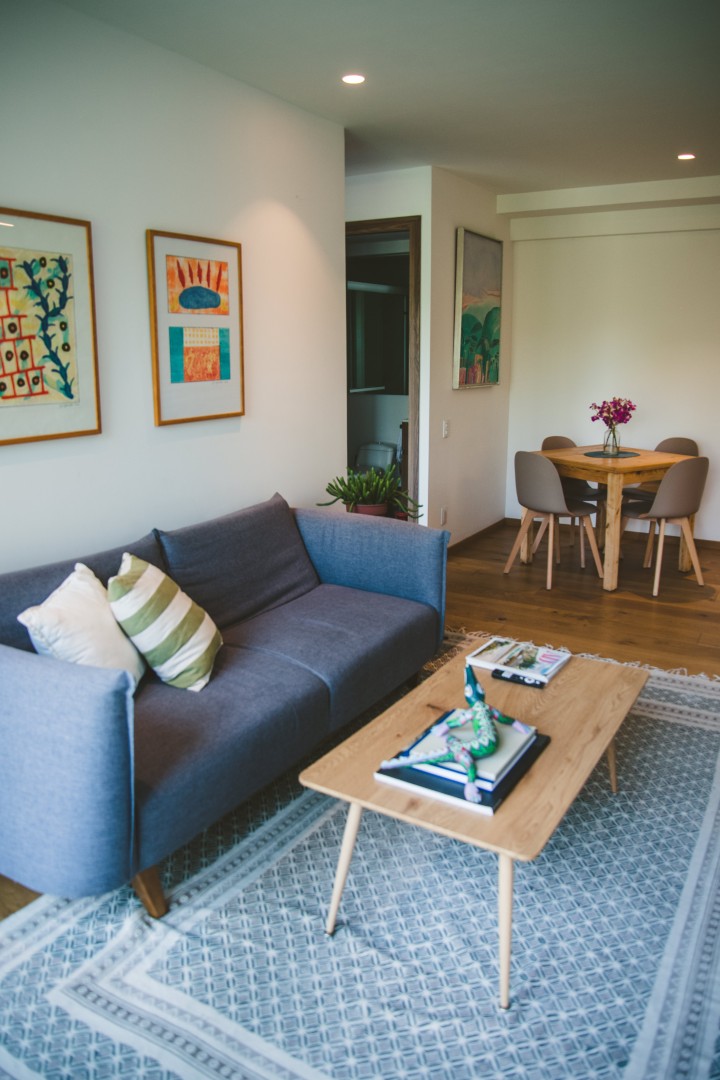
As the stay gets longer, having a kitchen, living room or simply a table away from the bed changes the experience. It also makes traveling with a partner, family member or colleague easier because not all daily life happens in the same environment.
The value is not “more square meters” by itself. It is a layout that lets you work, eat and rest with less friction.
| Aspect | Hotel | Executive apartment |
|---|---|---|
| Arrival and processes | Highly standardized | Depends on the operator |
| Kitchen | Variable | Common |
| Separate areas | Depends on room category | More common |
| Working from the accommodation | Depends on room/common areas | Can be more comfortable |
| Privacy for several people | Variable | Higher in many layouts |
| Routine over several weeks | Can feel limited | Closer to temporary housing |
03
What to compare beyond price
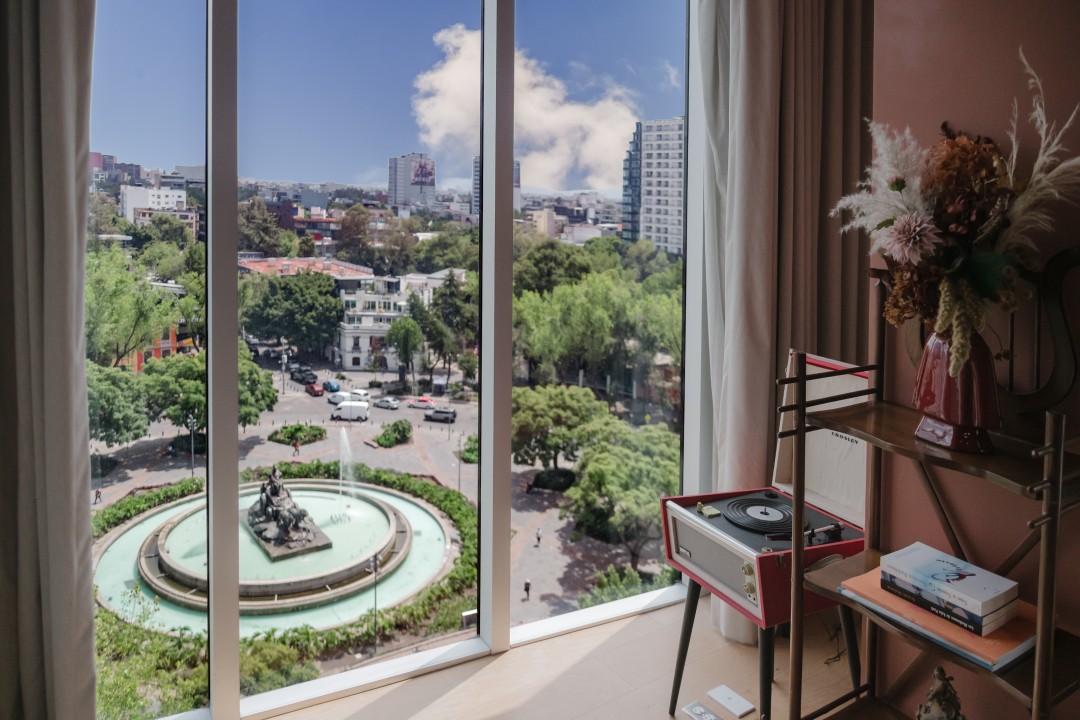
- Actual location. Calculate the commute to your recurring meetings.
- Wi-Fi and work. Confirm connectivity and a usable surface.
- Kitchen. Over several weeks it can change both your cost and routine.
- Cleaning and support. Understand what is included and who responds.
- Invoicing. If a company is paying, confirm requirements before booking.
- Flexibility. Ask what happens if the project extends.
04
So, which one makes more sense?
If you are staying only a few days, want centralized services and will mainly use the accommodation for sleeping, a hotel may be the most efficient solution. If you are staying several weeks and need to work, cook and build a routine, an executive apartment may adapt better.
To choose neighborhood and property, also read where to stay in Mexico City for work and what corporate housing is.
Total cost changes when you work from the accommodation
On corporate travel, the nightly rate is only one part of the equation. If a hotel means eating out every day, paying for laundry often or finding a coworking space for private calls, those costs add up. A more expensive apartment per night may still be reasonable if it replaces several everyday costs; the opposite can also be true if it is far from your meetings.
Build a simple stay-cost comparison: accommodation, recurring transportation, meals you can or cannot prepare, additional services and any external workspace you will need. You do not need a sophisticated financial model; you need to compare under the same criteria.
Traveling alone, as a couple or with a team changes the answer
A hotel room may be enough for one person who spends all day out. For a couple where one person works remotely, or two colleagues sharing a stay, separation between spaces starts to matter much more. A living room or second bedroom can prevent one call from turning the entire accommodation into an office.
Before booking, imagine a full day: waking up, working, returning from meetings, eating and resting. The best format is the one that lets those activities coexist without getting in each other's way. That test is often more useful than comparing amenities lists.
Frequently asked questions
After how many nights does an executive apartment make sense?
There is no universal number. The advantage starts to grow when a kitchen, workspace and separate areas become part of your routine. For some people that happens after a week; for others, only on stays of a month.
Does an executive apartment have a front desk?
Not necessarily. The model prioritizes temporary housing and professional operations, but the type of service depends on the property and operator. Check how access works and what support channel exists before booking.
Which option is better if my company pays?
Your company may have invoicing requirements, travel policies or spending limits. Confirm them first and then compare total cost, location and functionality. The right format is the one that satisfies policy without making the traveler's workday harder.

.svg)