.svg)


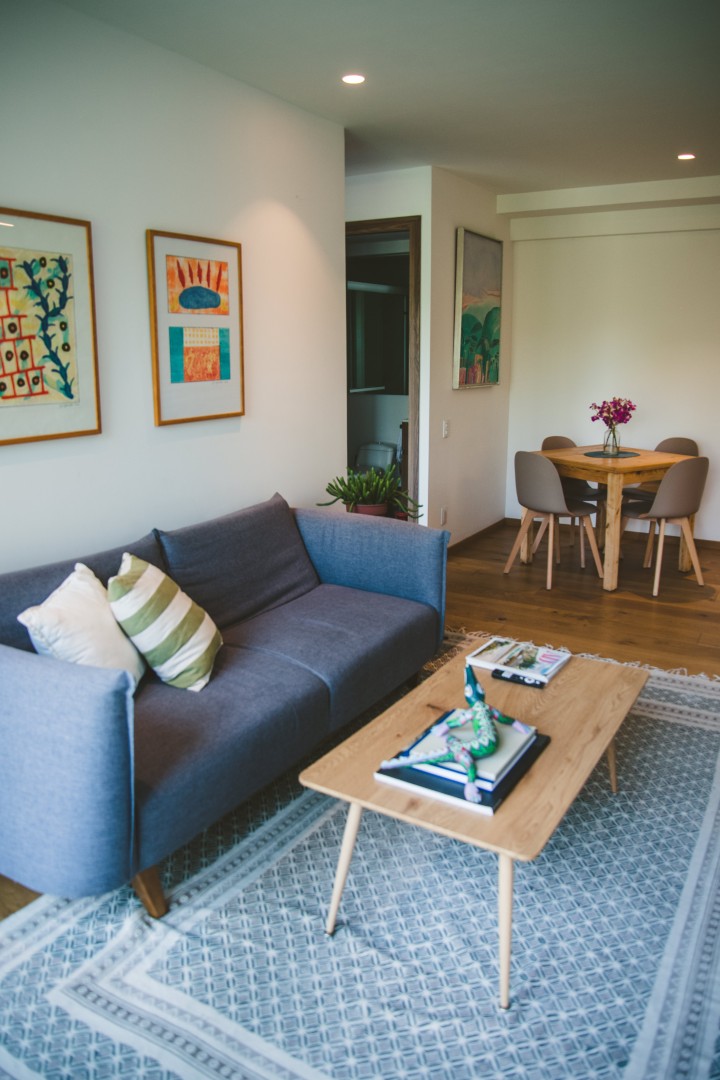

Living in Mexico City for one, two or three months is very different from visiting for a weekend. As the stay gets longer, the neighborhood stops being scenery and becomes part of everyday life: groceries, commuting, coffee, exercise, meetings and the place you return to every night.
That is why the right neighborhood is not necessarily the most popular one. It is the one that best supports the routine you will repeat.
01
Design your week first
Before looking at apartments, decide where you will work, which trips you will make frequently, whether you want to walk, whether parks matter and how important it is to have restaurants or nightlife nearby.
A two-month stay has Mondays, Tuesdays and Wednesdays. If you choose only with Saturday in mind, you may pay for that decision with time every day.
- Work. Will you go to an office or work from home?
- Mobility. Which route will you repeat most often each week?
- Routine. Do you want to run, cook, walk or work from cafés?
- Noise. Do you need quiet nights?
- Social life. Do you want plans around you or are you comfortable traveling to them?
02
How four neighborhoods work for a temporary stay
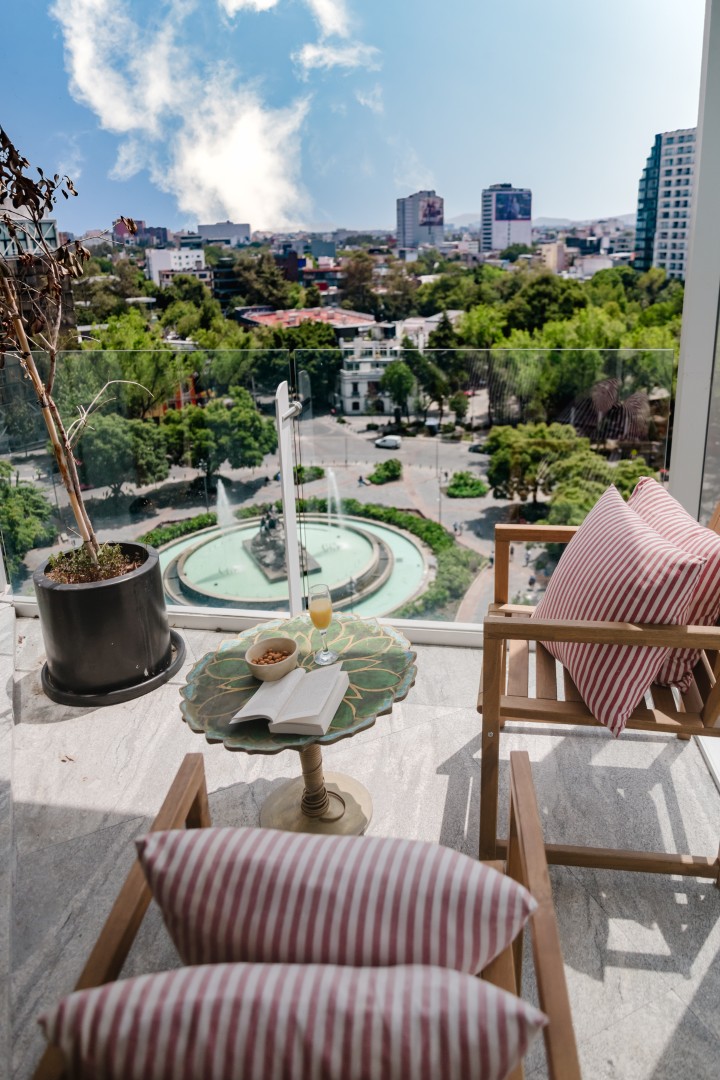
Roma Norte works for people who want dining, cafés, cultural life and an active routine. Condesa offers a strong balance between urban life and parks. Polanco works well for a corporate schedule, services and a more structured stay. Juárez stands out when Reforma and central connectivity are part of everyday life.
None is universally better. If your office is in Polanco, living in Roma simply because it “sounds more fun” can turn every morning into an expensive decision in terms of time.
| Neighborhood | Works especially well for… | Check carefully… |
|---|---|---|
| Roma Norte | Remote work, dining and urban life | Noise and exact location |
| Condesa | Routine, parks and walkability | Distance from your work schedule |
| Polanco | Work, services and structured stays | Which micro-area is truly close to your meetings |
| Juárez | Reforma and mobility between central neighborhoods | Nighttime activity on the exact street |
03
The apartment has to work after the first week
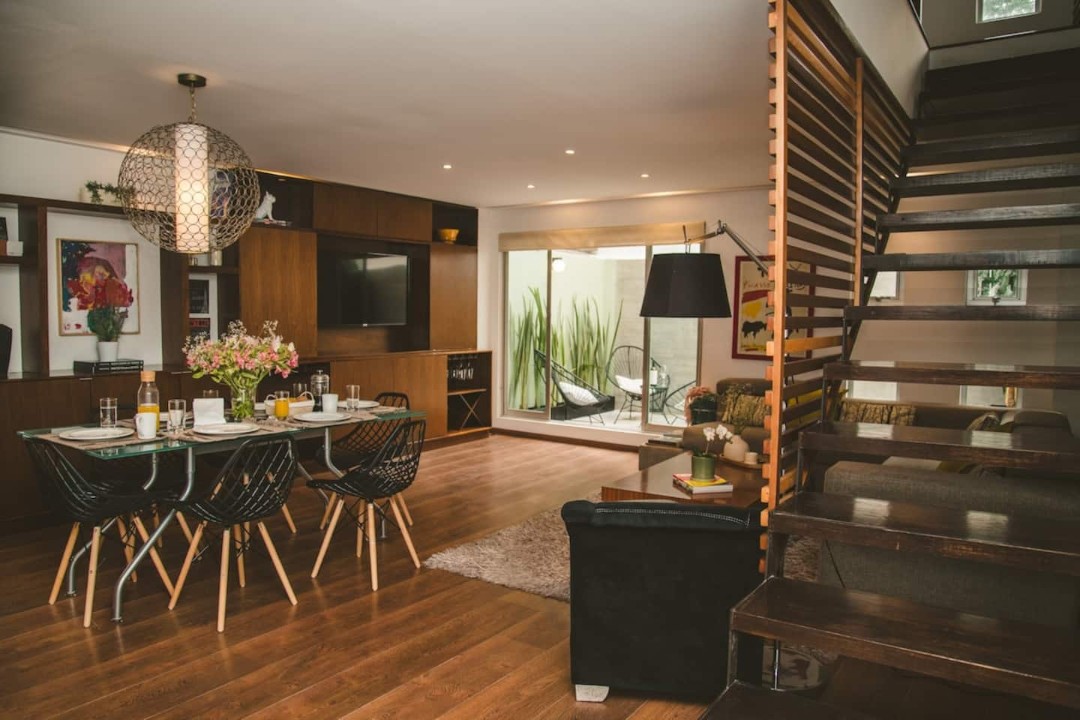
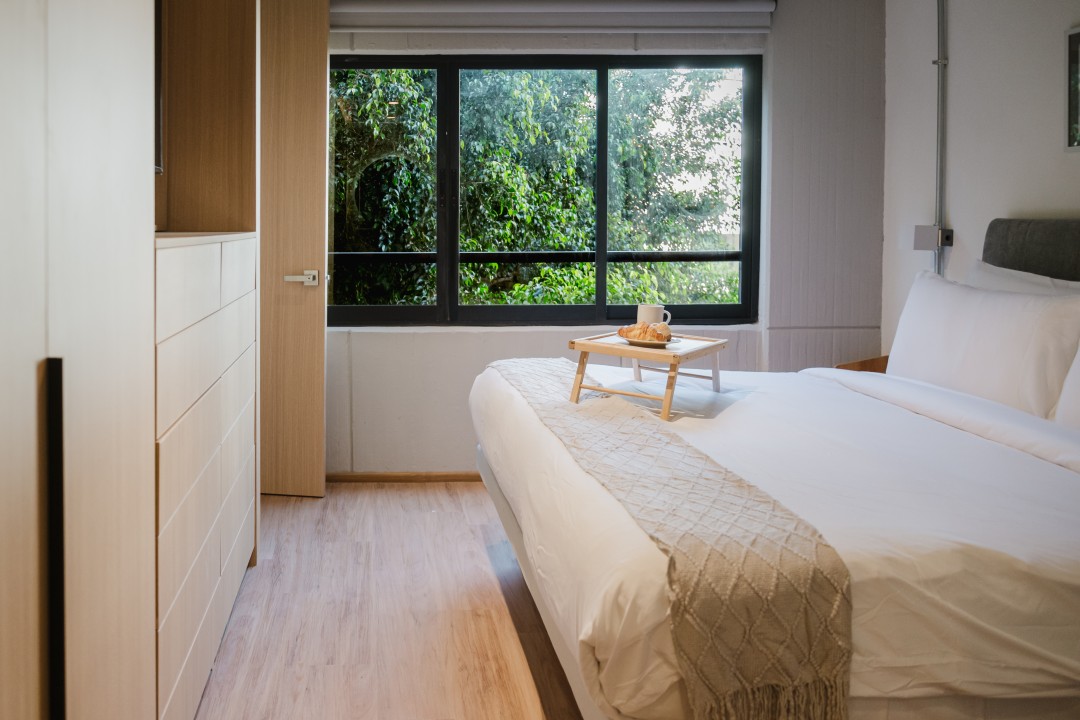
For 1–3 months, look for a functional kitchen, Wi-Fi, workspace, storage and a layout that lets you separate routines. A smaller apartment with a good layout can work better than a larger one where everything happens in the same room.
Also check cleaning and support. Over several weeks, it is reasonable to need help with something, and the operator's response is part of the experience.
Our guide to furnished apartments for long stays goes deeper into these criteria.
04
Think about how the month will feel, not only the arrival
Imagine a normal Tuesday: where do you have breakfast, where do you work, how far is your meeting, can you buy groceries nearby, do you have a place to store your things, does the neighborhood still work when you have no sightseeing plan?
That exercise usually reveals the decision better than an amenities list. Temporary housing should help you settle in, not remind you every day that you are passing through.
What changes between staying one month and staying three
During the first month, you may still tolerate small frictions because everything feels new. By the sixth or eighth week, the distance to the supermarket, chair quality, nighttime noise or lack of storage stop being minor details. A three-month stay therefore needs to be evaluated more like a home than a trip.
Your relationship with the neighborhood changes too. At first you may cross the city to try restaurants or museums; later you need Tuesdays and Wednesdays to require less effort. If your work is in Polanco, living nearby may make more sense even if Roma Norte appeals to you more for the weekend. If you work remotely, Condesa or Roma may gain value because of what they offer during the day.
How to evaluate a property when you do not know the city yet
If you book from another country or before arriving, ask for information that helps you imagine the routine: real layout, workspace, location within the neighborhood, cleaning process and the support available during the stay. You do not need a video call for every detail, but you do need enough information to avoid deciding only from photos.
It is also useful to leave some flexibility. A temporary stay does not need to reproduce your permanent home. Prioritize what will be difficult to correct after booking — location, noise, layout and operations — and be more flexible with secondary elements that do not affect daily life.
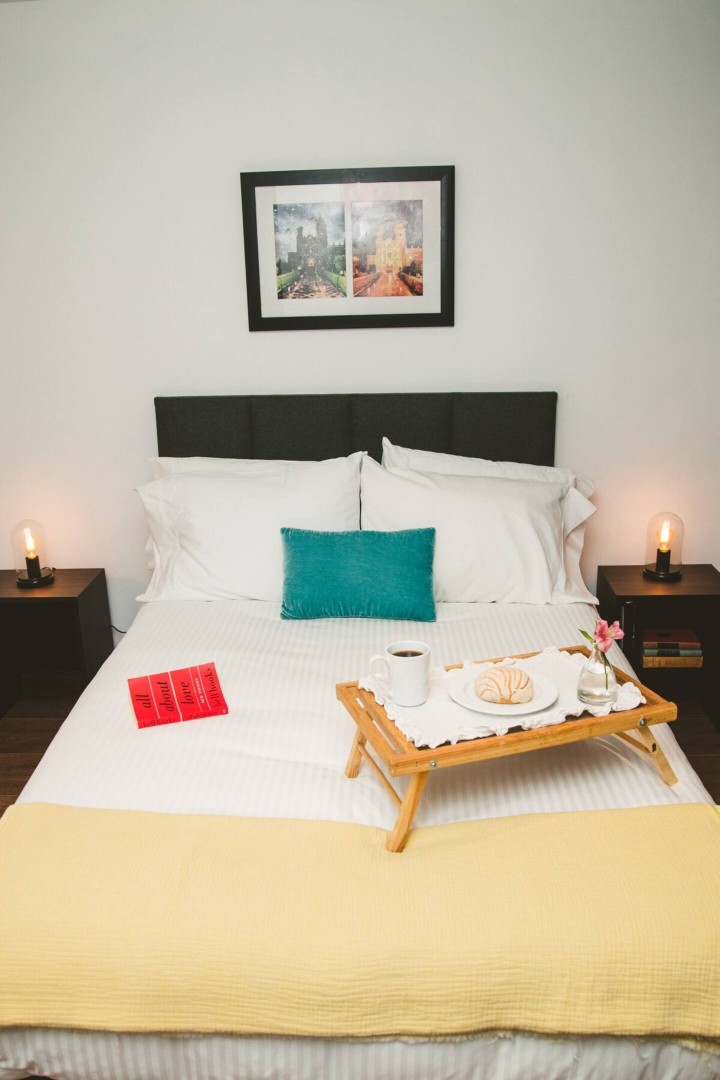
Frequently asked questions
Which neighborhood works best if I will work from home?
It depends on your routine outside the apartment. Roma Norte and Condesa can be very convenient because of cafés, walkability and services; Polanco may gain value if your in-person meetings are nearby; Juárez works when you need to move between several central areas. The property itself should have a real workspace.
Do I need a traditional lease for three months?
Not necessarily. There are furnished temporary stays designed for defined periods. Conditions vary by operator and property, so review length, policies, included services and documentation before booking.
What should I bring for a multi-month stay?
First confirm what the property includes. A well-equipped stay should let you arrive with personal belongings without having to set up a home from scratch. If you need specific work equipment, particular kitchen tools or items for children, ask before assuming they will be available.

.svg)