.svg)

Deciding between signing an annual contract or allocating a property to short-term stays is one of the most common dilemmas among property owners in Mexico City. And the answer lies not only in a financial projection, but in the lifestyle you want to sustain.
For those who own an apartment in areas such as Polanco, Roma, Condesa or Juárez, both schemes are feasible, but they involve very different dynamics. The decision goes beyond “generating more income”: it defines the level of involvement you want to have with your property, the degree of operational control and the way in which that asset is integrated into your daily life.
This guide analyzes both scenarios with a practical approach and without common places, to help you make an informed decision, aligned with your reality and not just with the market trend.
The “one tenant, one contract” model remains the preferred option for those who prioritize certainty. This is the classic route: an annual contract is signed, the keys are handed over and a fixed monthly income is received.
Traditional income works well if your main objective is to completely disconnect from the operation. It is a suitable alternative for homeowners who conceive their property as a store of value or a stable source of income, with no interest in daily management or in the continuous aesthetic state of the apartment.
In premium areas of Mexico City, the main challenge of traditional income is not only that income has a fixed ceiling, but also the loss of control over the asset.
A long-term tenant constantly inhabits the apartment. The use is continuous and, in many cases, careless. At the end of the contract - after one or two years - it is common to find a cumulative deterioration that requires a significant investment before the property is re-marketed.
During the term of the contract, the landlord loses flexibility. It is not possible to sell, remodel or use the property on an occasional basis. In practice, the department is no longer available for long periods.
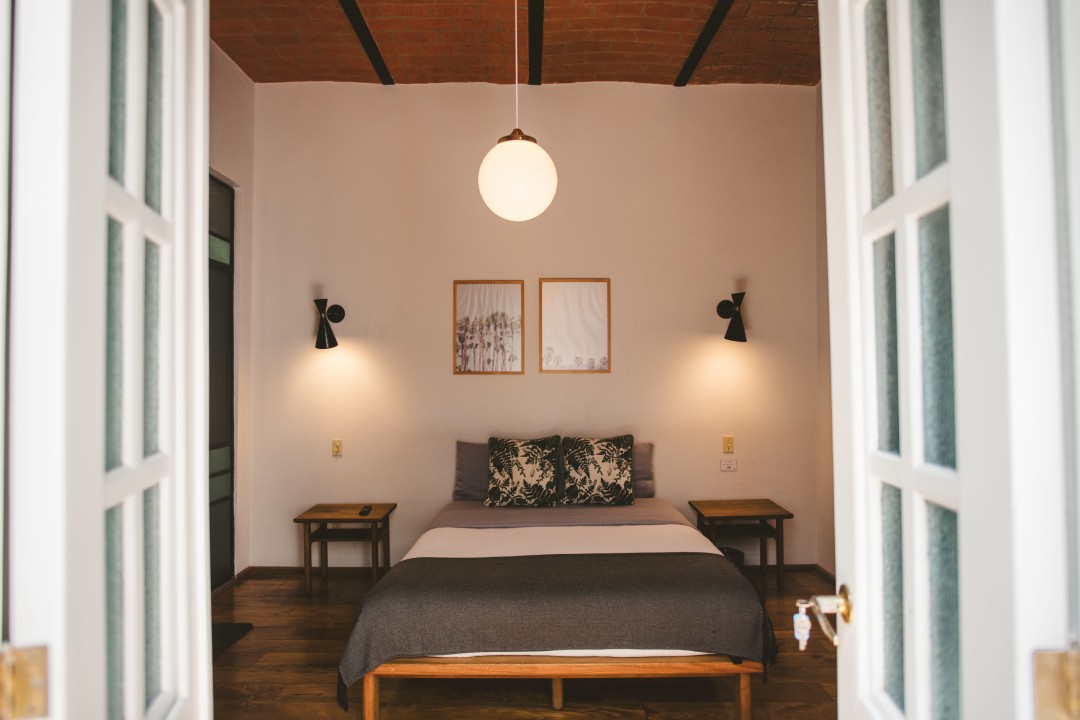
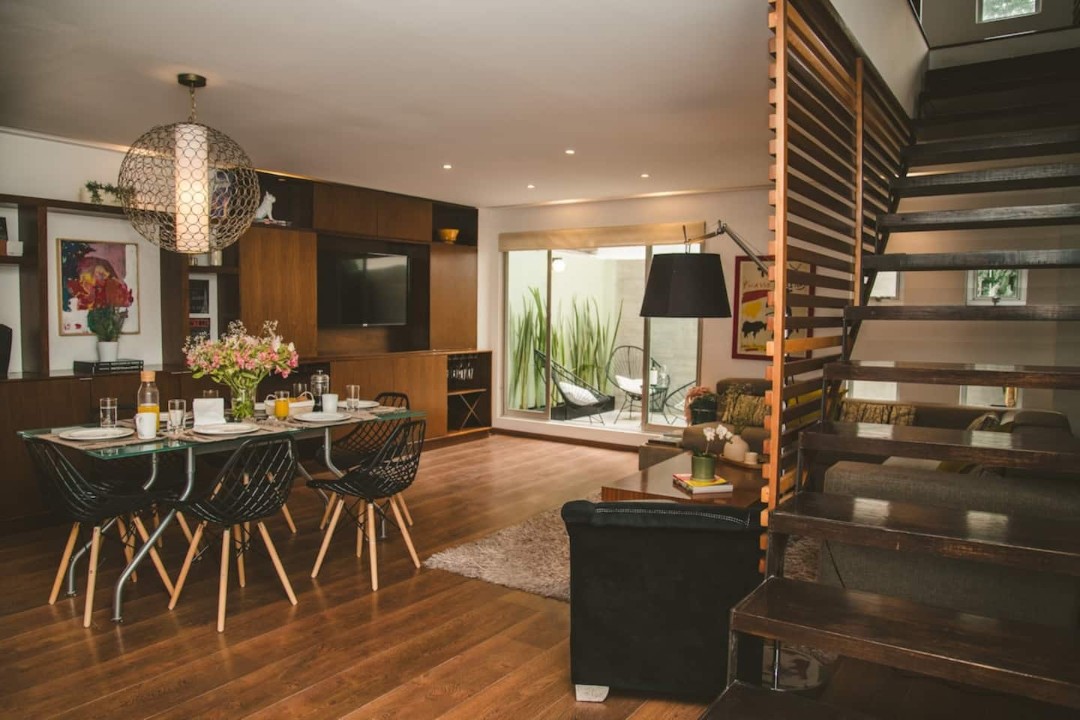
In short-term rentals, the logic is different. This is not only a place to live, but also a hospitality experience. In areas with high tourist and corporate demand, this model turns the property into a dynamic asset.
One of the most common fears is that high guest turnover will deteriorate the property. However, under professional management, the opposite is true.
Since the department is required to be in optimal condition every few days, maintenance is preventive and constant, not corrective and late. The property does not “age”: it is permanently looked after.
Vacation rentals are not a passive model if they are managed individually. It involves constant care, coordination of cleaning, control of rates and resolution of incidents. Without structure, it ceases to be a profitable business and becomes an operational burden.
This is where many premium owners find the balance. The main reason for discarding vacation rentals is often the operating burden. A boutique administration exists precisely to eliminate that friction.
It's not just about posting an ad, but about implementing a system where:


You get the return and care of vacation rentals, with the passivity and tranquility that are normally associated with traditional income.
To make the right decision, beyond the numbers, you should think about your objectives and the relationship you want to have with your property.
If you decide to go for the short-income model, the key is not to do it alone. The difference between a horror experience and a successful business is who is operating on a daily basis.
A boutique administration transforms incidents into invisible solutions for you. If you want to see how we turn departments into high-end hospitality experiences, you can learn about our management model here.
Or if you prefer to see tangible results, take a look at our current stays to understand the aesthetic standard we handle.
Sometimes a quick diagnosis is worth more than a thousand tests. If you want to know if your property qualifies for a high-performance model, let's talk. No compromises, just clarity.
Send us a message via WhatsApp and let's evaluate together the potential of your property.



.svg)