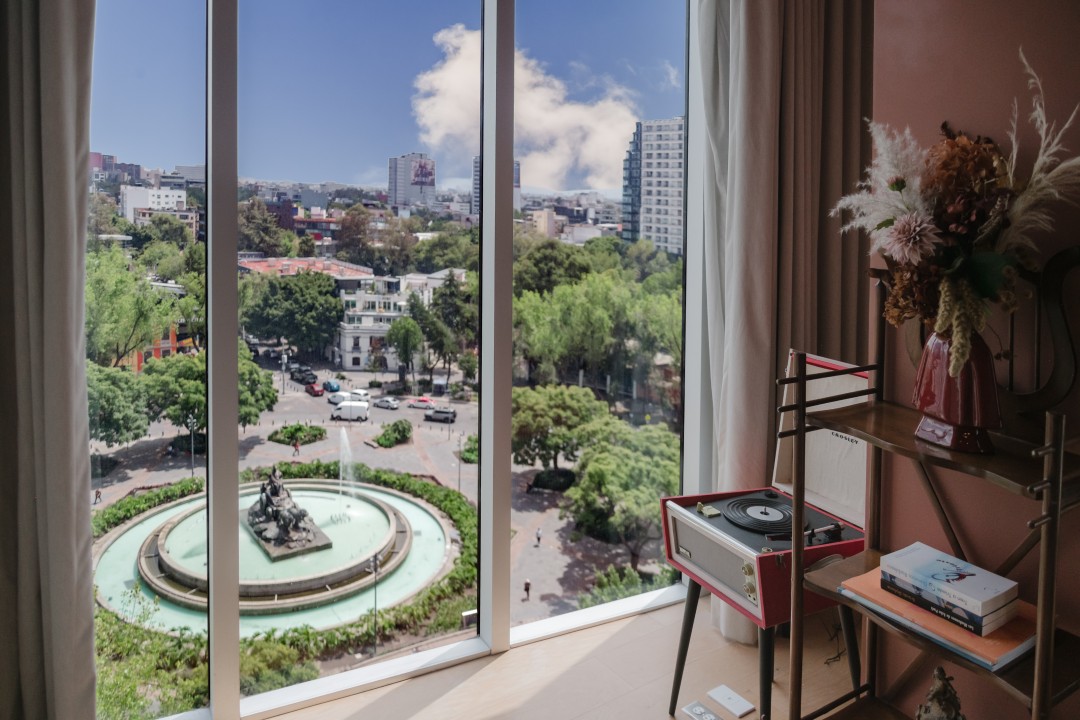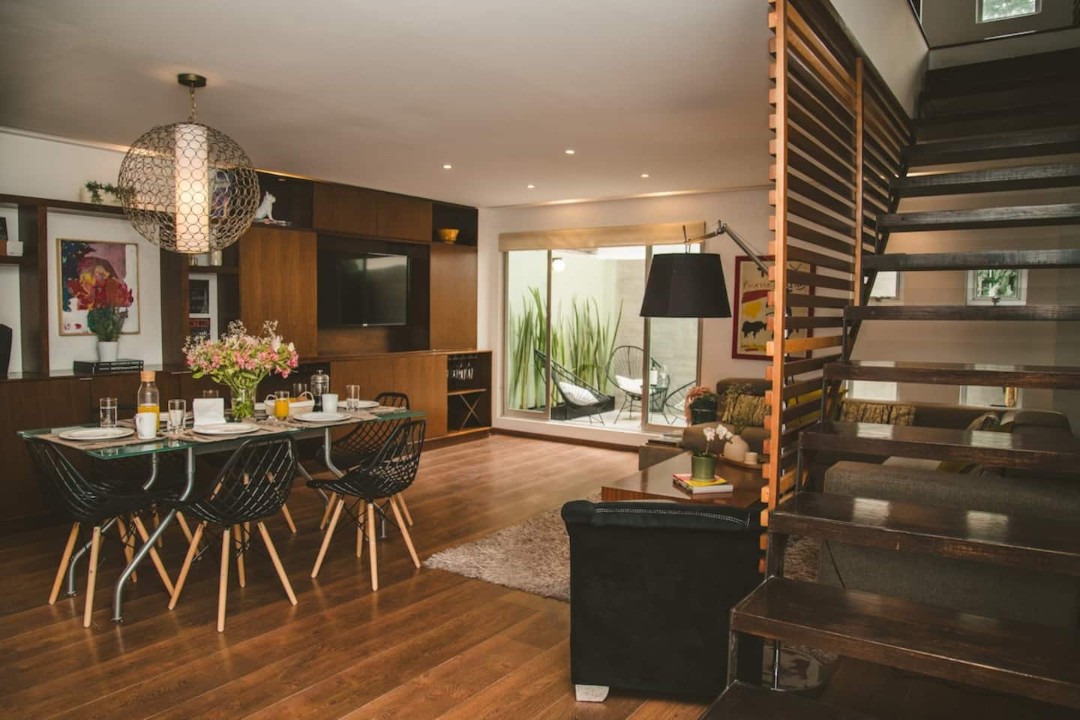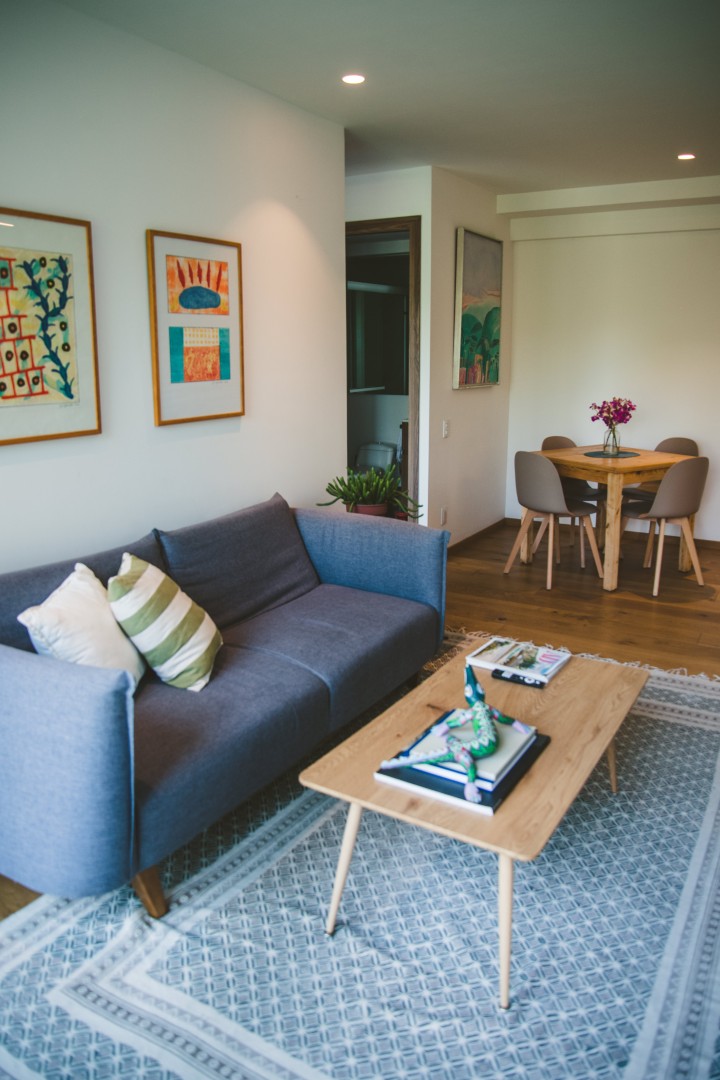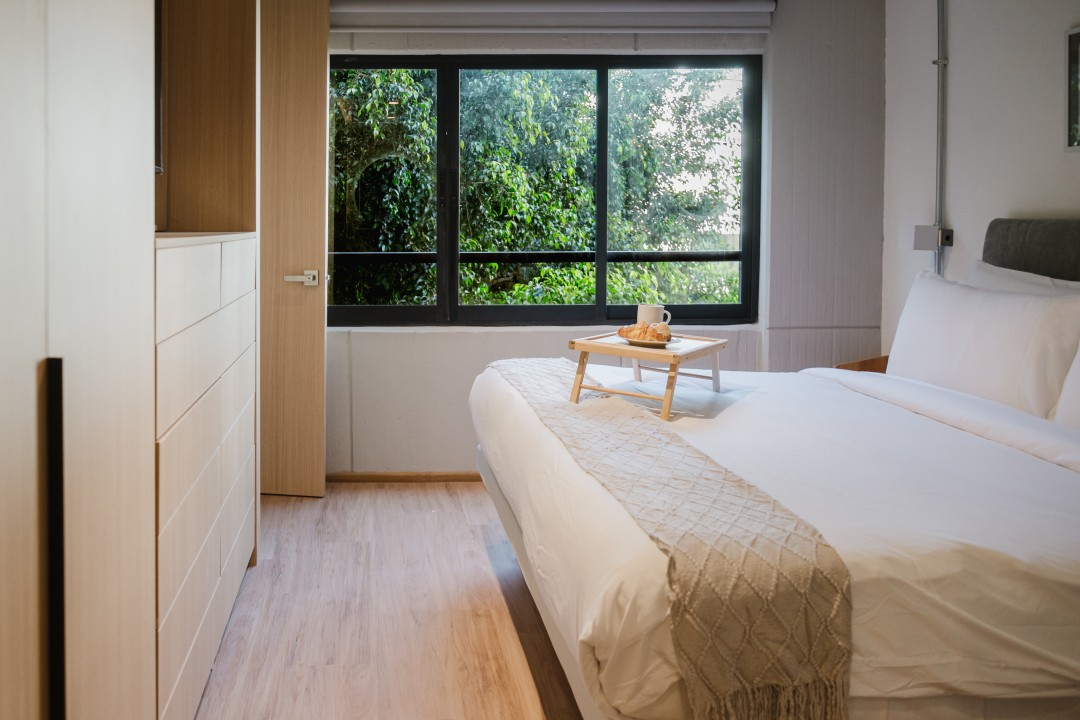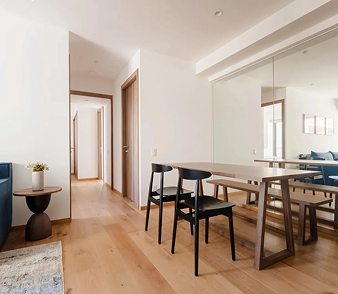

A premium property is not managed at a premium level simply because it uses expensive amenities or luxury language. The difference appears in consistency: cleaning, maintenance, communication, presentation and the ability to solve problems without forcing the guest to chase answers.
01
What to do: design observable standards
“Take great care of the property” is not a standard. Defining what is checked after a cleaning, how the bed should be presented, which elements must be working and what information the guest receives before arrival is a standard.
Standards allow different people to work toward the same expectation. Without them, quality depends too much on who happened to be on shift.
- Preparation checklist before every arrival.
- Verifiable cleaning criteria.
- Defined inventory and restocking.
- Incident protocols.
- Maintenance escalation.
- Clear owner communication.

02
What not to do: use marketing to hide operational problems
Professional photography and an attractive description help sell a stay, but they also raise expectations. If the real product does not match, marketing accelerates disappointment.
Do not list an amenity that works inconsistently, do not promise availability of third-party services without explaining the dependency and do not use words such as “premium” or “luxury” to avoid explaining what the experience actually includes.
The best commercial promise is an experience the operation can repeat consistently.
03
The property needs judgment, not only tasks
A premium operation means deciding when to repair, when to replace, which details are worth improving and which do not change the experience. Not every sign of wear requires a renovation; not everything should wait until a guest complains either.
The operator should understand the standard of the asset and make proportionate decisions, involving the owner when there is economic or strategic impact.
| Decision | Poor approach | Better approach |
|---|---|---|
| Cleaning | Trust that “it was done” | Review against a standard |
| Maintenance | Wait until it fails | Detect signals and prioritize |
| Amenities | Add because of a trend | Add if it solves a need |
| Communication | Respond only when asked | Anticipate critical information |
| Owner | Report everything or nothing | Escalate what matters with context |
04
How to evaluate premium management
Look at the system more than the sales pitch. Ask who supervises, how incidents are documented, which criteria are used for maintenance and how the team prevents quality from depending on one person.
Consistency is also reflected in the owner's experience: they know what is happening, receive enough context and do not need to intervene for every stay to work.
- Documented standards.
- Person responsible for supervision.
- Maintenance criteria.
- Proactive communication.
- Traceable decisions.
- An experience consistent with what is promised.
Premium also means knowing when to say no
Consistent management does not add services simply because one guest requested them once or because another property advertises them. Every new amenity creates expectations, maintenance and another possible point of failure. The operator should know when a request reveals a real need and when it would create an exception that is difficult to sustain.
That judgment protects both the experience and the asset. It is better to offer fewer things that work well than an extensive list the team cannot maintain to the same standard.
What to review in a quality audit
A useful audit combines guest and owner perspectives: presentation, cleaning, functionality, wear, clarity of instructions and inventory condition. The goal is not to find cosmetic defects for sport, but to detect issues that can affect a stay or become a cost.
Also review consistency between the listing and reality. If a photograph, amenity or description no longer represents the current product, premium management requires updating it. Quality starts before the booking, with an honest expectation.

Frequently asked questions
What actually makes a property premium?
There is no fixed list of materials. Perception depends on location, design, condition, comfort and service. Premium management makes sure those attributes stay coherent and are not eroded by inconsistent operations.
Do more amenities mean a better experience?
Not necessarily. Every amenity should be useful to the guest profile and sustainable for the team. A shorter list that works can produce a better experience than many poorly maintained services.
How do you keep the standard from depending on one person?
By documenting criteria and checks: cleaning, presentation, inventory, communication and maintenance. The goal is for a team to be able to execute the standard, not only someone who “already knows how it is done.”